
University of Chicago Laboratory Schools
Chicago, IL
Lead Teacher
Gerard Gueringer
UChicago Laboratory Schools’ Fall 2025 Music Club
— Overture Games•Lead Teacher: Gerard Gueringer
University of Chicago Laboratory Schools A
High Scores, High Engagement
UChicago Laboratory Schools · Fall 2025 Overture Games (Grades 3–5)
Lead Teacher: Gerard Gueringer
By mid-November at UChicago Lab, students were already asking practical questions about the future of the program. Would they keep access to their accounts? Could they keep working on their music at home? How would registration for the next season work?
Those questions came from a group that had spent the fall actively using the tools, learning the systems, and building habits around making music.
A Fast-Moving Group
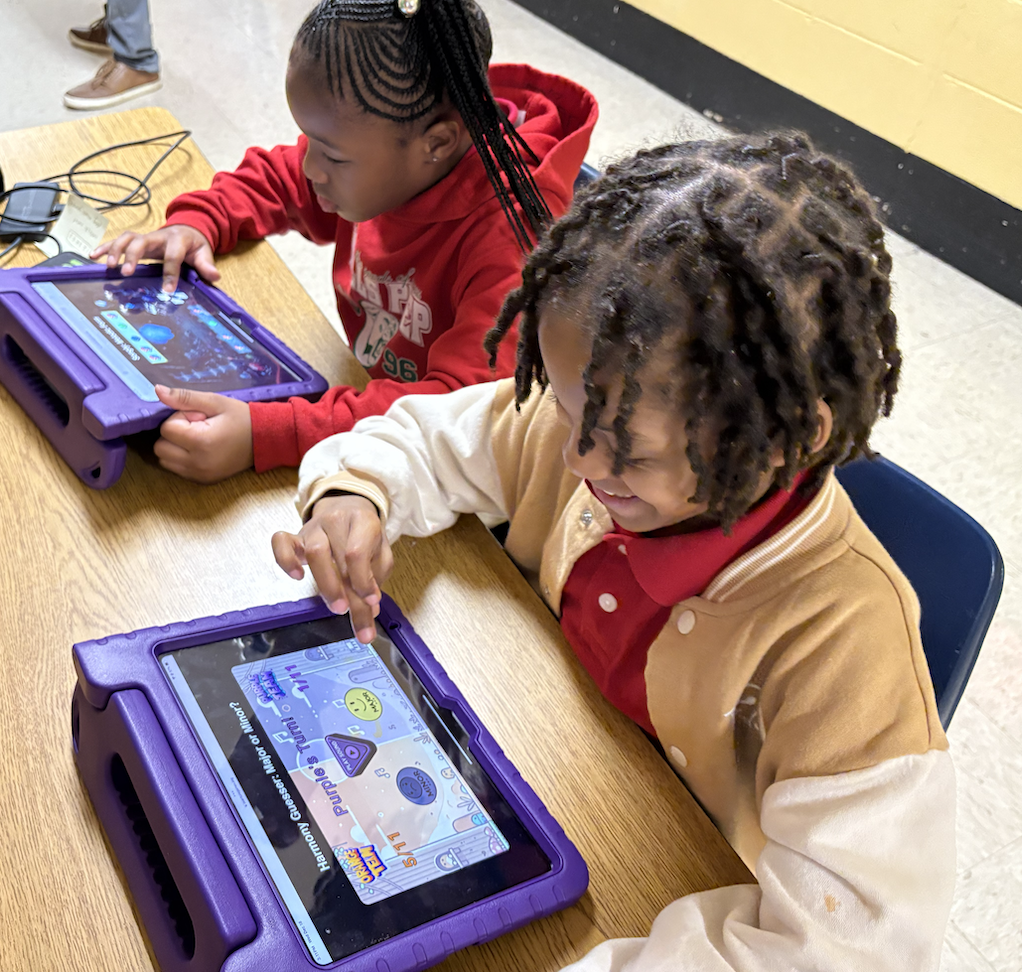
From the first few weeks, it was clear this class moved quickly. Rhythm and harmony reviews went faster than expected. Several students already had strong musical instincts and picked up new games without much instruction. One student beat Rhythm Rally, something the teacher did not realize was possible.
That pace shaped how the class evolved. Group games worked best as short entry points. Independent creation time kept students focused longer. Piano Clicker and Overture Music Lab became regular landing spots once students unlocked them.
During free play, one student reached a score of 66 in Tuna (a pitch matching game), which became a reference point for the rest of the group. Scores like that reflected careful listening and control, not random attempts.
Making Time for Creation
As the semester progressed, Gerard adjusted lessons to leave more room for composing. Students wrote melodies, experimented with harmony, and tested different sounds. Some focused on structure, trying to build songs with clear sections. Others explored tone and texture.
During the Genres lesson, students talked through how different styles made them feel before writing their own pieces based on mood. Each student approached it differently. When finished, they listened to one another’s work and commented on what they noticed.
Later in the season, students were shown Suno on the teacher’s computer. Each student contributed a word, and the class listened to the generated song together. The conversation afterward focused on how the words shaped the music and what felt surprising.
Adjusting When Needed
Technology did not always cooperate. Some games struggled to load or retain all players. Certain devices worked better than others. When something stalled, the class shifted. Composition replaced multiplayer games. Individual work replaced group rounds.
Those adjustments kept momentum going. Students stayed engaged when they had something to build or improve. They spent time revisiting earlier pieces and trying to make them clearer or more interesting.
Ending the Season Together
The final class focused on reflection and sharing. Students talked about favorite games and moments from the semester. They listened to music they had created earlier in the fall and noticed how much more control they had now.
The class held a listening party, followed by a muse fashion show where students voted on designs. The tone was relaxed and celebratory.
When asked what they wanted next, students mentioned leaderboards and the ability to trade or sell muses. Several also asked about continuing access to their accounts after the season ended.
What This Semester Looked Like
Over the course of the fall, this group learned musical vocabulary around rhythm, harmony, form, dynamics, and genre. They practiced listening closely, controlling sound, and shaping ideas over time. They used games as entry points and composition tools as places to spend time.
By the last week, students were comfortable navigating the platform, making music independently, and talking about their work. They left the room asking how to keep going.
That was the tone of the season at UChicago Lab. Focused, curious, and already thinking ahead.